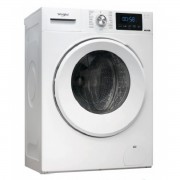
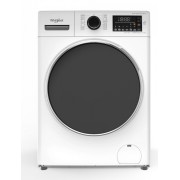
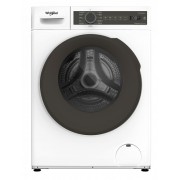
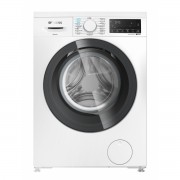
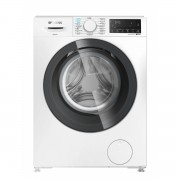
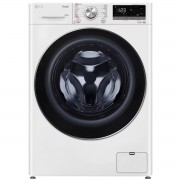
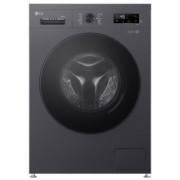
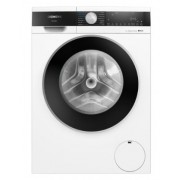
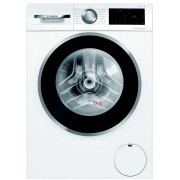
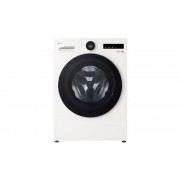
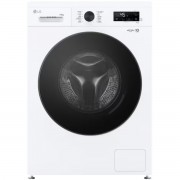
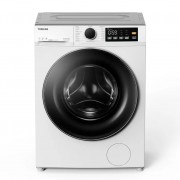
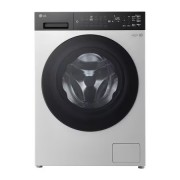
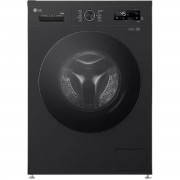
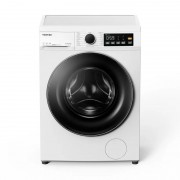
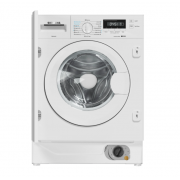
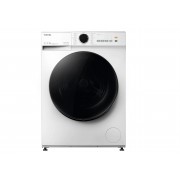
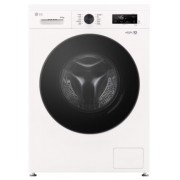
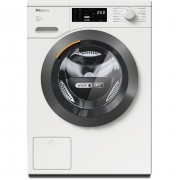
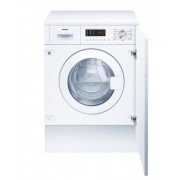
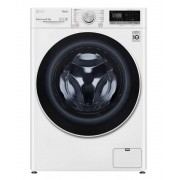
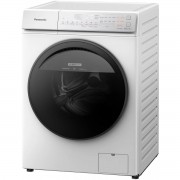
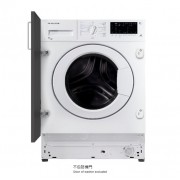
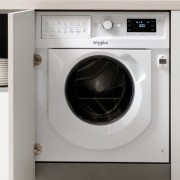
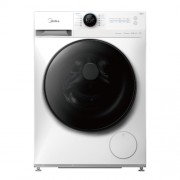
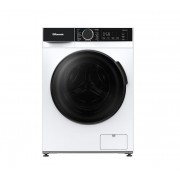
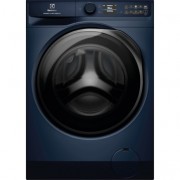
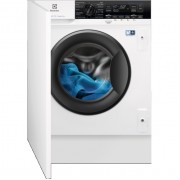
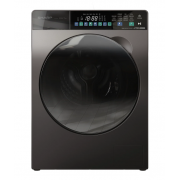
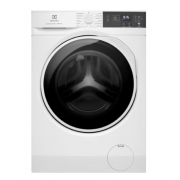
Free basic deliveryFree basic installationIn order to purchase this modelIt require an appointment to measure the size and we will only make the order upon the report.
What are the advantages and disadvantages of washer-dryers compared to separate washing machines and dryers?
The biggest advantage of washer-dryers is saving space, combining washing and drying functions in one machine, ideal for Hong Kong homes with limited space. However, according to Consumer Council tests, two-in-one machines may not dry as effectively or quickly as standalone dryers, and the drying capacity is usually about half the washing capacity.
How to choose the right capacity washer-dryer for my family?
Capacity selection should consider family size and laundry habits. Generally, 1-2 person households can select models with around 7kg washing capacity; 3-4 person households may consider 8-9kg models. Note that drying capacity is usually 50% to 70% of washing capacity, so drying large amounts of laundry may require multiple batches.
Why don't clothes dry properly when using a washer-dryer?
Common reasons for clothes not drying properly include: 1. Overloading clothes, preventing hot air from circulating effectively. 2. Insufficient spin speed before drying, leaving clothes too wet. 3. Lint filter or condenser clogged with dust, affecting exhaust and heat exchange efficiency. 4. Temperature sensor activates safety mode due to overheating.
Which fabrics are unsuitable for tumble drying?
Always check care labels before drying. Generally, silk, wool, T-shirts with plastic prints, down, or any delicate items labeled "Do not tumble dry" should not be put in the dryer, as high heat can cause shrinkage, deformation or damage.
How to use a washer-dryer correctly to save energy?
To save energy, choose models equipped with humidity or temperature sensors that automatically stop when clothes are dry to avoid over-drying. Also, try to fill the machine fully (without overloading) and use higher spin speeds to reduce moisture in clothes, shortening drying time and saving electricity.
How to clean and maintain a washer-dryer?
For optimal performance, clean the lint filter after each use. Additionally, regularly (e.g., annually) check and clean the dryer's exhaust hose and condenser to remove accumulated dust, preventing reduced drying efficiency and safety hazards. Also, keep the door gasket clean and dry to prevent mold growth.
Why does my washer-dryer emit a bad smell during drying?
The odor may come from residual moisture and detergent inside the machine, leading to mold growth. To resolve this, regularly use washer cleaning agents or run an empty high-temperature cycle to clean the drum. Also, leave the door slightly open after each wash to keep the interior ventilated and dry, effectively reducing odor.
Can a washer-dryer be placed in the bathroom or outdoors?
The Consumer Council advises that washer-dryers should not be placed in damp areas like bathrooms or outdoors to prevent moisture entering the machine components, which can affect operation and safety. If placement in a bathroom is necessary, ensure good ventilation to keep the environment dry.
How to reduce wrinkles in clothes after drying?
Once the drying cycle finishes, promptly remove and hang clothes to prevent wrinkles from prolonged compression inside the drum. Also, avoid overloading the dryer and allow enough space for clothes to tumble freely, which helps reduce wrinkles.
What should I do if my washer-dryer is not functioning properly, such as not starting or the door being locked?
If the machine is not functioning properly, first check if the power is connected correctly. If the door cannot be opened, the safety lock may still be engaged after the cycle ends; try waiting a few minutes before retrying. If problems persist or more complex faults occur (e.g., no heating), contact a professional technician for inspection and avoid DIY repairs.