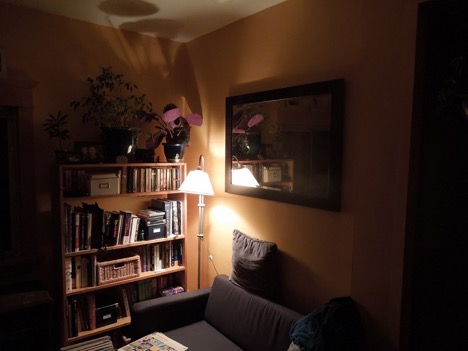
When buying a flat, we should try to choose a unit with plenty of sunlight. A bright space looks comfortable and can also make us feel more cheerful. However, some units have insufficient lighting in the living room and poor natural light because of the window orientation. So how can you make up for a lack of natural light in the living room? Let Decoman tell you!
Change the colour scheme
First of all, a living room with poor natural light is not suitable for colours that are too dull. Apart from a small number of decorative items, try not to use colours such as black, grey, dark blue or dark brown. Whether for the walls or the floor, the main colours should be soft, bright and light. It is recommended to use white, off-white, light beige or other fresher colours for the walls, while wood-coloured flooring or white ceramic tiles are recommended for the floor. This is because white and other pale colour schemes can reflect sunlight, allowing light to spread more widely and thereby making the living room brighter.
Pay attention to furniture
For a living room with insufficient light, it is best not to use furniture that is too dark in colour or too large in size. Dark-coloured furniture absorbs sunlight, while large furniture takes up a lot of living room space. The combination of these two factors will make people feel that the space is exceptionally dark and oppressive. In particular, dark furniture that is deep and tall is the number one culprit affecting natural light in the living room. Therefore, when choosing furniture, you should also mainly go for lighter tones. White, wood-coloured and transparent modern furniture with a metallic feel are all very good choices. In terms of furniture size, you should also choose slim and low pieces, expanding the activity space as much as possible and reducing the sense of oppression in the room. Once the living room becomes more spacious, the light will naturally increase too.
Artificially supplement the light source
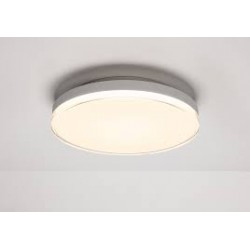
In addition to the two points mentioned above, adding light sources in a sensible way can also provide a bright environment for the living room. We can use a relatively large pendant lamp or ceiling light as the main light source for nighttime lighting, while during the day, table lamps, floor lamps, wall lamps and spotlights can be used as auxiliary light sources. For lamps used to supplement light during the daytime, you can choose lamps with diffused light sources. The light produced by these lamps offers a wide supplementary lighting range and soft light. They are not only suitable for supplementing light across the whole room, but can also be used in local areas, and can create a warm and romantic home atmosphere while filling the space with light.
Improve natural light through renovation
You can improve poor natural light in the living room through renovation. This is the most forceful and also the most direct method. When designing the living room, try to knock down walls that block light from entering, or transform them into light-transmitting materials such as screen windows or glass, or you can simply hollow them out directly.
About the author:
Decoman is committed to ensuring that Hong Kong has no troublesome or unfinished renovations. To achieve this mission, all members of Decoman continue to work hard to promote the standardisation of the renovation, building materials and home markets, changing the way tens of millions of families renovate and approach home-making, and creating an outstanding internet renovation experience for users. As Hong Kong’s leader in internet renovation, Decoman will bring new changes to the traditional renovation and home sectors through an O2O model, providing free renovation measurement/quotation, and also organising flagship renovation pitfall-prevention classes, continuously creating value for users and leading the development of the industry.
(All images above are reproduced from Decoman)