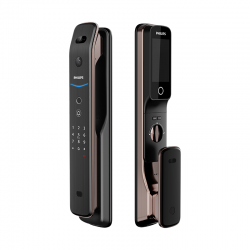
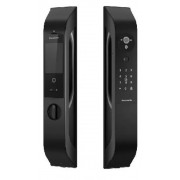
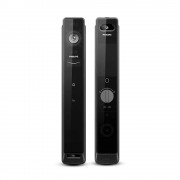
In Hong Kong, when Schneider Electric (Schneider) is mentioned, many people immediately associate it with its leading position in home electrical products, such as switches, circuit breakers and related items. Its quality and safety have long been well recognised by the public. In recent years, as the smart home wave has swept across the world, this traditional electrical engineering giant has also expanded into the electronic door lock market, attempting to turn its expertise in electrical safety into the first line of defence for home security. However, moving from professional electrical products into smart products that integrate software, hardware and user experience is no small step. Can Schneider Electric electronic door locks continue the brand’s strong reputation? For Hong Kong families who value both convenience and security, are they a trustworthy choice? This article takes an in-depth look, combining genuine user reviews from different regions to reveal the answer.
Are Schneider Electric electronic door locks good to use? A comprehensive review from multiple angles
To evaluate an electronic door lock objectively, we cannot look only at its brand background or advertising slogans. The most genuine answers often come from users’ everyday experience. We have collected discussions from Hong Kong local forums, Taiwan, Europe and the US, as well as technology media reports and consumer reviews, and summarised the advantages and disadvantages of Schneider Electric electronic door locks in real-world use.
Advantages: Brand halo and hardware strength
Brand reputation and sense of security: Schneider Electric has a history of more than a century in the field of electrical safety, and the brand itself is almost synonymous with quality assurance. For many consumers who value safety, choosing a brand renowned in the infrastructure sector naturally brings greater psychological reassurance. They believe that a major manufacturer like this will invest more resources into the lock body structure, anti-tamper design and other hardware fundamentals.
Solid materials and workmanship: Many reviews point out that Schneider electronic locks have a very good physical feel. Most lock bodies use high-strength alloy materials, with a substantial touch and sturdy structure. From the exterior design to the internal mechanical structure, they convey the rigorous style of German industrial design, giving an impression of durability and reliability.
Simple, modern exterior design: Its product design style leans towards minimalism and modernity, with smooth lines that can blend well into different home décor styles. For users who care about an overall interior design look, this is a clear plus.
Complete basic unlocking functions: Mainstream models generally support multiple unlocking methods, including fingerprint, password, access card and traditional key, meeting the usage habits of different family members and reaching the market’s basic expectations for convenience.
Disadvantages: The gap in software experience and smart functionality
Although the hardware foundation is good, Schneider Electric electronic door locks have received negative feedback that cannot be ignored in terms of software and smart experience. This also reflects a common challenge faced by many traditional hardware manufacturers during transformation.
Poor application (App) experience: This is the most frequently mentioned issue among users in different regions. Many reviews say that its mobile application interface looks outdated, the operation is not intuitive enough, the response speed is slow, and there are even occasional unstable connections or delays. Compared with other brands that focus on smart homes, its App clearly lags behind in user experience.
Insufficient customer service support: Some Hong Kong netizens have commented on forums that when installation or setup issues arise, the process of seeking official technical support is relatively complicated, and response times are long. For a product related to home security, this understandably makes users anxious.
Relatively limited smart functions: Apart from basic remote unlocking and record checking, its smart functions have been described as “not living up to the name”. For example, integration with other smart home ecosystems (such as Google Home, Apple HomeKit) is relatively weak, automation scenario settings are limited, and it does not fully realise the potential expected of a “smart” door lock.
Fingerprint recognition success rate could be improved: Some user reviews from Taiwan mention that when fingers are wet or dirty, the fingerprint recognition success rate is lower than expected, sometimes requiring multiple attempts. For elderly users or children with lighter fingerprints, the experience may not be smooth enough.
Debate over value for money: Considering its functions and experience as a whole, many consumers feel that Schneider Electric electronic door locks are priced on the high side. At the same price level, there are other brands on the market that can provide more stable and smarter solutions.
Key model recommendation: Schneider Electric S51
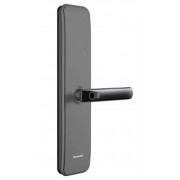
In Schneider’s product line, the S51 is one of the models that has attracted relatively more attention. Below is a summary of its specifications and features:
Item
Schneider Electric S51 Specifications / Review
Unlocking methods
Fingerprint, password, access card, mechanical key, mobile application
Stylish design, sturdy physical structure, and a brand with a certain level of appeal.
Overall disadvantages
Similar to other models from the brand, the main issues centre on software stability and insufficient smart integration functions, with value for money being fairly average.
Purchase link
N/A
Real user reviews from different regions
Summary of Hong Kong forum reviews
On platforms such as Hong Kong LIHKG and Hong Kong Discuss, netizens’ discussions of Schneider Electric electronic door locks are rather polarised.
Positive views: These mainly focus on trust in the brand. Comments such as “I trust Schneider’s electrical products, so the door lock should be reliable too, right?” are quite representative. Users are generally satisfied with its metal housing and weighty feel, considering the materials to be “solid enough”.
Negative views: More complaints are about the user experience. “The App often disconnects, and sometimes I have to wait at the door for nearly a minute before it opens”, “Fingerprint recognition fails several times, and in the end I still have to use the password”, “After installation, there was a problem, and it was very slow to get a technician to follow up”. These reviews reflect that there is still considerable room for improvement in software tuning and after-sales service.
Taiwan user opinions (from forums such as Mobile01, PTT)
The Taiwan market has higher expectations for smart products, and reviews are also stricter.
General view: Taiwan users generally believe that, as a major European manufacturer, Schneider Electric’s industrial design standard deserves recognition. However, they are disappointed with the core of a smart lock——the “smart” experience. One comment directly stated: “This is more like an ‘electronic’ door lock rather than a truly ‘smart’ door lock.”
Specific issues: They pay more attention to details, such as application permission management not being refined enough, no validity time setting for temporary passwords, and an inability to integrate with popular smart home systems in Taiwan.
Feedback from European and US markets (from technology websites and consumer forums)
In European and US markets, competition among smart door locks is intense, with many brands available.
Market positioning: European and US reviews generally position Schneider Electric electronic door locks as “steady but lacking innovation” products. Their security receives a certain level of recognition, but compared with brands such as Yale, August and others that have long focused on smart door locks, Schneider is at a disadvantage in functional innovation, software ecosystem and user-friendliness.
Focus of concern: Reviews point out that its products seem to pay more attention to traditional mechanical security while overlooking modern consumers’ pursuit of a seamless smart living experience. One technology reviewer summarised it as: “It can lock your door well, but it may not win your heart.”
Conclusion: A reliable “lock”, but not a smart enough “smart device”
Taking all reviews together, we can draw a clear conclusion: in terms of physical security and product feel, Schneider Electric electronic door locks inherit the brand’s fine tradition and are well-made, attractive products. If you have very strong trust in this brand and your requirements for smart functions are limited to basic fingerprint and password unlocking, then it may still be worth considering. However, if you expect a stable and smooth mobile application experience, rich smart scenario integration and responsive customer support, there may be more mature and better-value choices on the market.
Schneider Electric electronic door locks are products with “clear strengths and equally clear weaknesses”. However, after analysing their negative reviews in depth, our recommendation is more cautious.
More reliable alternative recommendations
For Hong Kong consumers looking for stability, reliability and a better user experience, we would more recommend the following two brands, which have been deeply involved in the electronic door lock field for many years and are well regarded:
Reason for recommendation: As a globally recognised consumer electronics giant, PHILIPS has far richer experience in home appliances and smart products than Schneider Electric. Its electronic door lock products perform well in design aesthetics, ergonomics and user experience. Compared with the negative feedback Schneider Electric has received regarding software stability and customer service, PHILIPS systems have been tested by the market for many years, offering higher stability, while the mobile application functions are also more complete and user-friendly. Its mature after-sales service network also has an advantage in the Hong Kong market, allowing it to provide users with more timely and reliable support.
Reason for recommendation: If you put “durability” and “reliability” first, then the Japanese brand PANASONIC, known for rigorous quality control, is undoubtedly a better choice. PANASONIC products may not chase flashy functions, but they place extreme emphasis on product stability and durability, with very low failure rates. This is exactly the core requirement for a security product that is used frequently every day. Its products are well regarded for details such as smooth motor operation and battery life. For users who do not want to worry about door lock stability in the future, the “peace of mind” offered by PANASONIC is something Schneider Electric currently finds harder to match.
About Us
BBE Appliance Professional Consultant
BBE Appliance Professional Consultant has 30 years of home appliance retail and buying advisory experience, serving over 200,000 Hong Kong households with practical tips on cooker hoods, ovens, cooktops, and home appliance selection and maintenance.